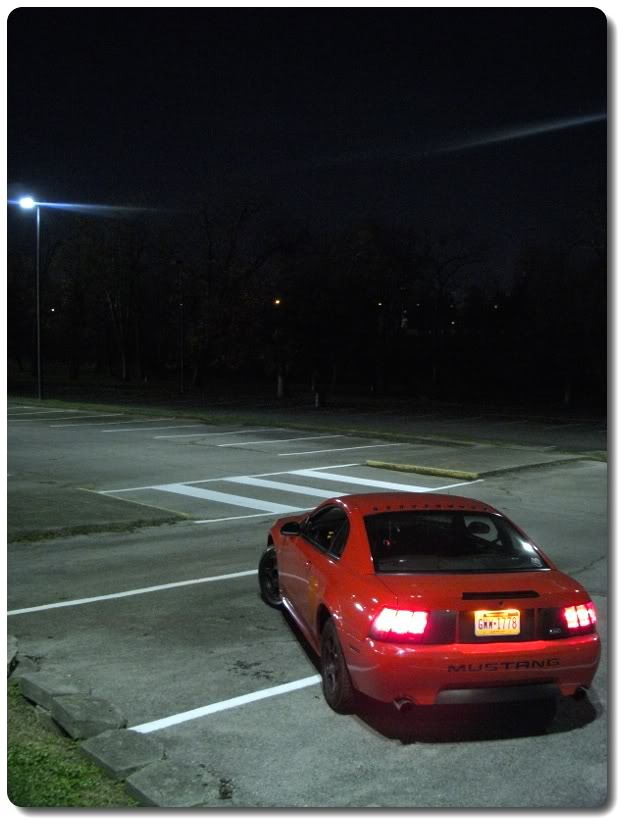


Quick night-time photoshoot of the stang (new pics post 22)


Here is those pics i promised like 2 months ago lol it has the best sounding exhaust in town period. He wanted to race my dad in my moms srt-8 charger the other night too bad there was a cop nearby 

Thread Starter
|
Super Cereal Admin
Joined: Feb 2007
Posts: 7,081
From: Lexington, KY
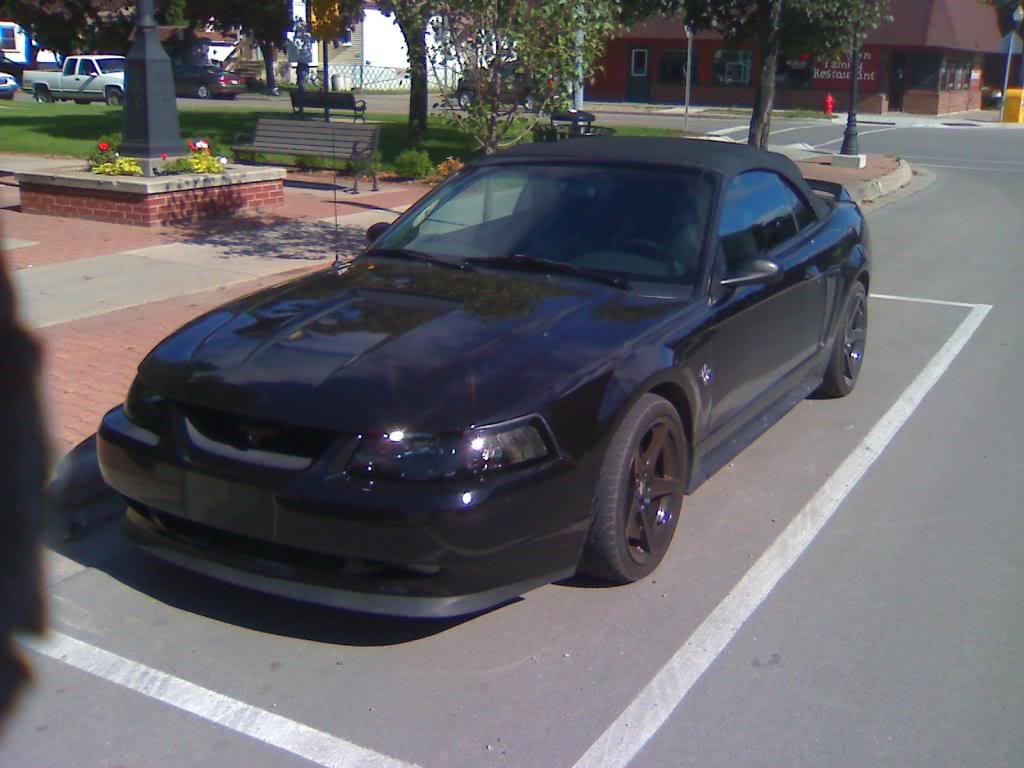
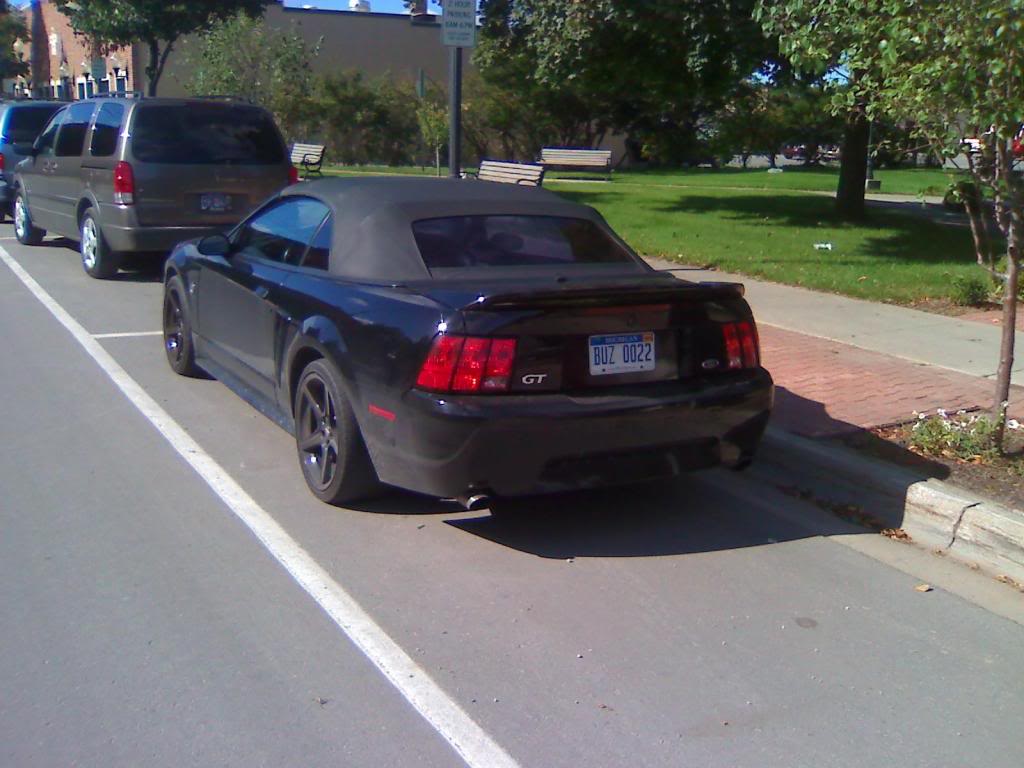
mmmmm.... blacked out. It'd look a lot better with tinted taillights though.
Anyway, I had a random night, and decided to go on another photoshoot... I still have another location I want to hit up for a dusk/night-time photoshoot, but I need to find out where it is... I got lost one night and found it, but I can't remember how I got there lol. Anyway, pics from tonight:
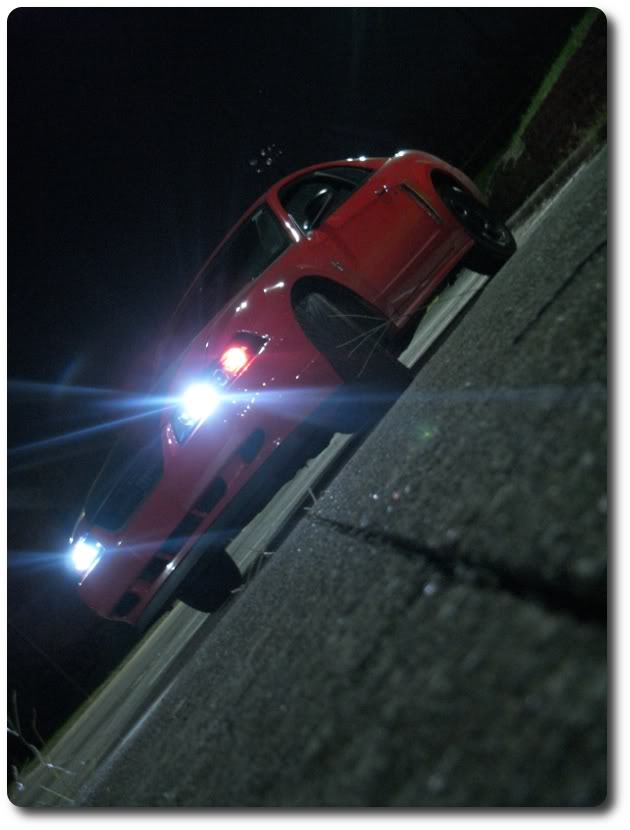
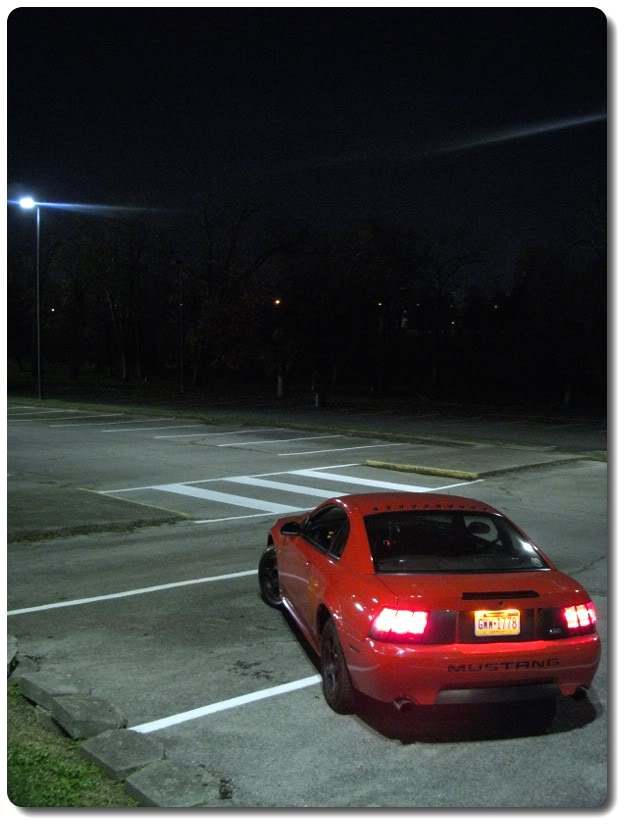
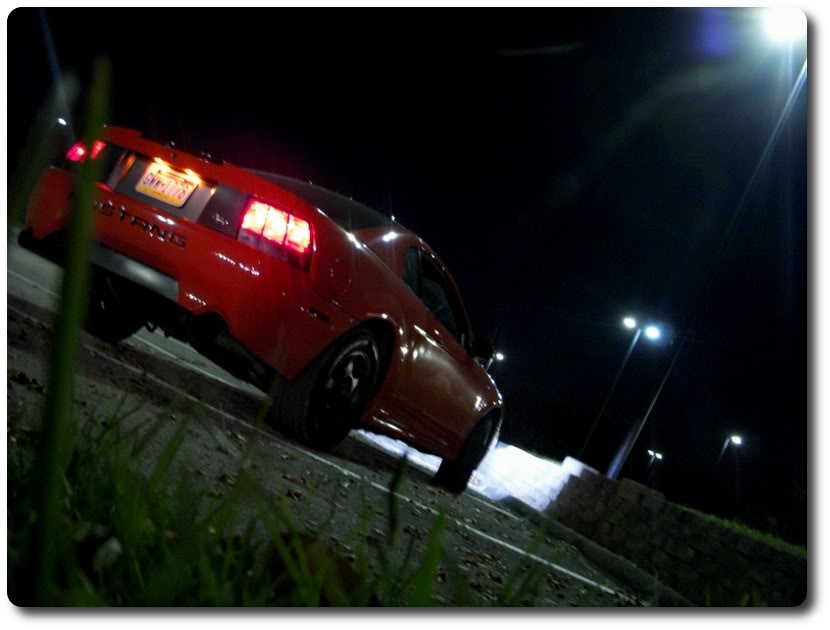
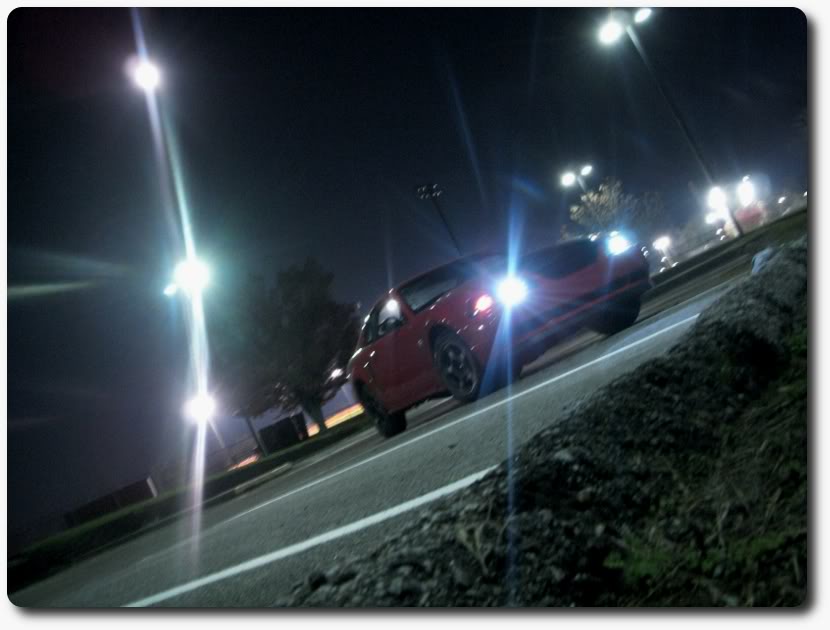
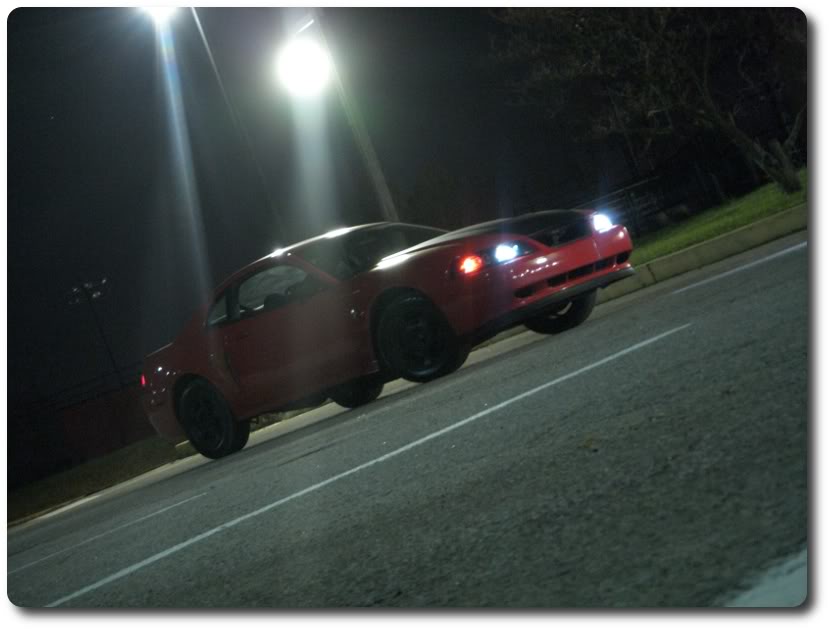
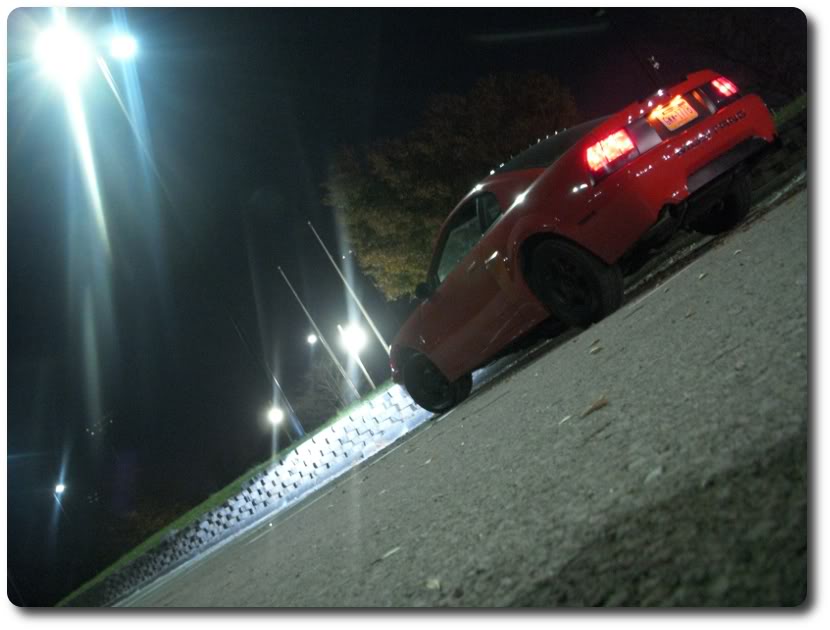

Anyway, I had a random night, and decided to go on another photoshoot... I still have another location I want to hit up for a dusk/night-time photoshoot, but I need to find out where it is... I got lost one night and found it, but I can't remember how I got there lol. Anyway, pics from tonight:

Thread Starter
|
Super Cereal Admin
Joined: Feb 2007
Posts: 7,081
From: Lexington, KY
Well, from the factory, mustangs seem to have an area along the center of the rear windshield where water just sits if you drive in the rain. Since I installed them, I've noticed the water actually runs down the windshield, so I'm going to say it at least reduced (if not eliminated) the flow separation that was happening over the rear windshield.
By themselves, I doubt they do anything substantial. And to be honest, I'm not in touch with the car enough to notice the difference they might make even after I get a functional spoiler. But the fact that I can actually see through my rear windshield while driving in the rain (and how aggressive the VG's look) is enough to keep me happy
By themselves, I doubt they do anything substantial. And to be honest, I'm not in touch with the car enough to notice the difference they might make even after I get a functional spoiler. But the fact that I can actually see through my rear windshield while driving in the rain (and how aggressive the VG's look) is enough to keep me happy
Thread Starter
|
Super Cereal Admin
Joined: Feb 2007
Posts: 7,081
From: Lexington, KY
Pretty much any angle change over 15 degrees. Like I said in another thread a week or two ago, laminar air flow has a hard time staying "attached" to a surface over angle changes greater than 15 degrees (well, technically 195 degrees). The vortex generators stick up enough past the boundary layer to sort of trip the air, causing turbulent flow (imagine rapids; usually they're caused by something like rocks) which can stay "attached" to a surface past 15/195 degrees.
If you're interested, I can provide you a few useful links as far as aerodynamics goes (assuming you're interested in aero like myself).
If you're interested, I can provide you a few useful links as far as aerodynamics goes (assuming you're interested in aero like myself).
Thread Starter
|
Super Cereal Admin
Joined: Feb 2007
Posts: 7,081
From: Lexington, KY
I'll get you some links when I get home from work. I need to find them again since I had to restore my hard-drive... most of them are going to be on belly pans, splitters, and diffusers, but there's a few ones I'll post on vortex generators as well as aerodynamics/fluid dynamics in general.